
Introduction
Back pain is a common concern among long-term 輪椅 users. Sitting for extended periods without proper support can strain the spine, muscles, and ligaments, leading to chronic discomfort. The design of a wheelchair plays a critical role in preventing back pain by promoting proper posture, weight distribution, and ergonomic support. Understanding how design elements impact spinal health helps users and caregivers choose the most suitable mobility solution.
Ergonomic Seating and Cushion Support
One of the primary factors in preventing back pain is ergonomic seating. A well-designed 輪椅 should provide a contoured seat and backrest that support natural spinal alignment. Cushions made from memory foam, gel, or air-cell technology distribute weight evenly, reducing pressure on the lower back and buttocks. Proper lumbar support helps maintain the natural curve of the spine, minimizing strain during prolonged use.
Adjustable Backrests and Recline Features
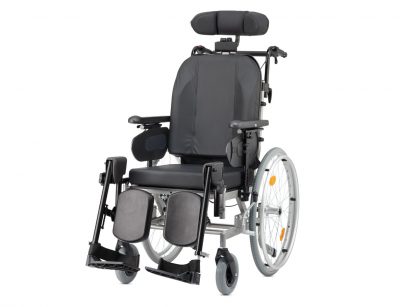
Flexibility in backrest positioning can significantly reduce the risk of discomfort. Adjustable backrests allow users to find the most comfortable angle for sitting, while tilt-in-space or recline functions redistribute pressure and reduce spinal load. These features are particularly important for users who spend long hours in their 輪椅, as they promote muscle relaxation and prevent stiffness.
Seat Width and Depth Considerations
A wheelchair that is too wide or too narrow can contribute to poor posture and back strain. Correct seat width and depth ensure that the user’s hips and thighs are properly supported, allowing the pelvis to remain aligned. Improper seating can lead to slouching or leaning, which over time causes muscle fatigue and back pain. Proper measurements from a mobility specialist are essential for optimal fit.
Wheel and Frame Design
The design of the wheels and frame also impacts posture and spinal comfort. Lightweight, maneuverable frames reduce the effort required for propulsion, decreasing strain on the upper back and shoulders. Smooth-rolling wheels with precision bearings allow for effortless movement, while stability-focused designs prevent unnecessary tilting or jolting that could aggravate the spine.
Armrests and Footrest Positioning
Properly positioned armrests and footrests contribute to spinal alignment by supporting the upper and lower body. Armrests at the correct height prevent shoulder hunching, while footrests ensure that the legs are supported and reduce pressure on the lower back. Adjustable features allow for personalized positioning, which is key in reducing back strain over time.
Posture Training and Support Accessories
Additional accessories such as lateral supports, pelvic belts, and headrests help maintain correct posture, particularly for users with limited trunk control. These design elements ensure that the spine remains aligned during movement and daily activities, preventing compensatory movements that can lead to pain. Consistent use of supportive accessories enhances overall comfort and spinal health.
Long-Term Health Benefits
Wheelchair designs that prioritize ergonomic support not only prevent back pain but also promote long-term musculoskeletal health. Users experience improved posture, reduced muscle fatigue, and decreased risk of secondary conditions such as spinal deformities or pressure sores. Investing in a wheelchair designed for spinal support contributes to overall well-being and quality of life.
Conclusion
The design of a 輪椅 is fundamental in preventing back pain and promoting spinal health. Ergonomic seating, adjustable backrests, proper seat dimensions, and supportive accessories all work together to reduce strain and improve comfort. By selecting a wheelchair that prioritizes posture and functionality, users can minimize discomfort, maintain independence, and enjoy long-term health benefits.