
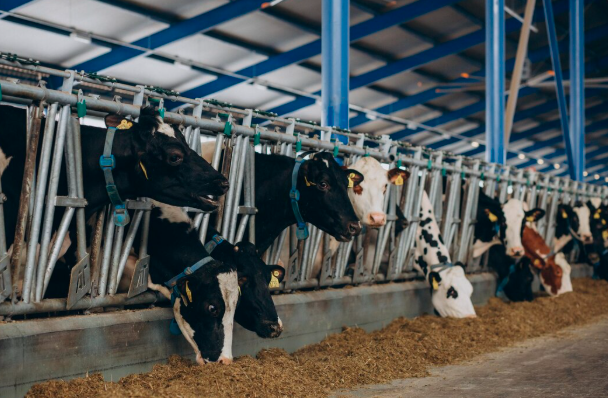
In the case of cattle, it is not just about the length of the ingredient list. There is a change in nutritional requirements by age, weight, production stage, forage quality, weather, and overall herd management.
A good supplement for one bunch of animals may not necessarily be effective or appropriate for another. The best strategy is to find out what the diet has, what it lacks, and then choose a product to fill those nutritional needs without adding excesses.
Start With the Cattle, Not the Product
When comparing cattle supplements, determine which animals you are supplementing. Nutrient requirements vary among calves, mature cows, breeding animals, and growing animals. Stress, growth, lactation, and pregnancy will also affect nutrient demands.
Mineral needs are influenced by age, weight, stage of production, and the minerals available in the diet. First, establish the main objective for the group. Do you want to encourage growth, reproduction, recovery from a nutrient deficiency, or maintenance? This is a straightforward move to eliminate many options that are inappropriate.
Evaluate the Existing Feed and Forage
A supplement should be used in addition to a normal diet, not in place of it. The protein, energy, vitamins, and minerals provided by pasture, hay, silage, grain, and by-product feeds are variable. Different forage mineral content is possible as well, and feed or forage testing can be beneficial in formulating a supplementation program.
Before deciding what supplement to add, consider the complete diet. When the base ration provides adequate levels of a nutrient, supplementation is unlikely to be beneficial and may cause an imbalance or cost.
Know Which Nutrients Are Deficient
Mineral supplements are frequently formulated with calcium, phosphorus, magnesium, sodium, copper, zinc, manganese, iodine, and selenium. The difficulty lies in knowing which nutrients are necessary.
For instance, the mineral requirements for cattle on some forages can be different from those for cattle fed a grain ration. The diet may also vary with the seasons. Don’t assume a deficiency based on the symptoms only; work with a veterinarian, nutritionist, or extension specialist.
Carefully Read the Supplement Tag
Look at the supplement tag for guaranteed analysis, mineral content, instructions for use, recommended feeding rate, and ingredients. Be sure to pay attention to the amount and source of calcium, phosphorus, and trace minerals.
Different mineral sources are not necessarily utilized by cattle in the same way. Avoid selecting a supplement because it has a higher content of a specific nutrient. What is helpful to determine is the amount formulated for the total diet.
Choose the Right Delivery Method
The method of supplement delivery can affect the provision of the desired nutrients to cattle. There are different considerations for the management of loose mineral mixes, blocks, complete feeds, and supplemental feeds.
Keep an eye on consumption frequently, not on the assumption that cattle are eating the recommended amount. It is important that supplementation is consistent.
Review the Program as Conditions Change
Don’t just carry on with the same supplement program because it worked the previous season. Nutritional needs can vary when pasture quality changes, weather conditions differ, forage types vary, herd composition varies, stage of production changes, and feeding changes.
Good feed inspection consists of regular monitoring of the diet, which avoids under-supplementation and unnecessary expenditure.