
Home improvement projects can become easier and more efficient when you have the right equipment. Whether you are building furniture, installing shelves, repairing walls, or working on other household tasks, choosing suitable power tools can save time and effort. However, with many options available, it can be difficult to know which tools are worth buying. Understanding your project needs, tool features, and safety requirements can help you make a smart choice.
Understand Your Project Requirements
Start by thinking about the type of work you plan to do. Different projects require different power tools. For example, a drill may be useful for making holes and installing screws, while a circular saw can help with cutting wood. If you are planning several types of projects, consider tools that can handle multiple tasks.
It is also important to think about how often you will use a tool. If you only complete occasional repairs, buying professional-grade equipment may not always be necessary. For frequent or demanding projects, investing in durable power tools can provide better long-term value.
Choose the Right Tool Type
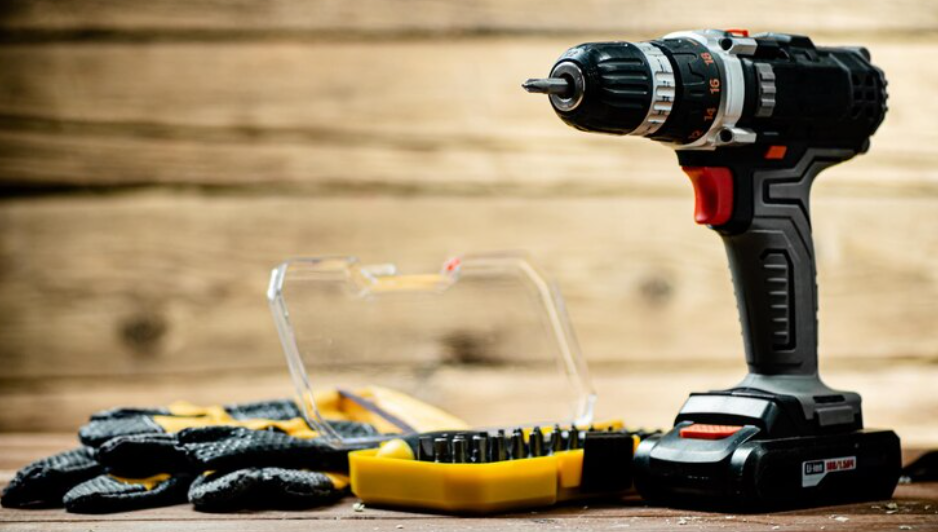
Once you understand your needs, learn about the main types of power tools available. Cordless drills are useful for general household repairs and simple construction work. Sanders can help create smooth surfaces, while jigsaws are suitable for making curved or detailed cuts in materials such as wood.
For larger projects, you may need tools with greater power and cutting capacity. Choosing the correct tool for the task can make your work more accurate and reduce unnecessary effort. Avoid buying a tool simply because it has many features if those features will not be useful for your projects.
Consider Corded and Cordless Options
Power tools are commonly available in corded and cordless models. Corded tools can provide continuous power as long as they are connected to an electrical outlet. They can be a good choice for projects performed in a workshop or near a reliable power source.
Cordless power tools offer greater freedom of movement because they run on rechargeable batteries. They are particularly convenient when working in areas without easy access to electricity. When choosing cordless equipment, consider battery life, charging time, and whether the same battery can be used with other tools from the same product range.
Check Quality, Comfort, and Safety
Quality should be an important consideration when purchasing power tools. Look for strong construction, reliable components, and features that match your intended use. A comfortable handle and balanced design can also make a tool easier to control during longer projects.
Safety features are equally important. Look for tools with secure grips, protective guards, adjustable settings, and easy-to-use controls. Always read the manufacturer’s instructions and use appropriate protective equipment when operating power tools.
Compare Price and Long-Term Value
Price should not be the only factor when selecting power tools. A very inexpensive tool may not provide the durability or performance you need, while an expensive professional model may offer features that are unnecessary for basic home projects.
Compare different models based on quality, performance, warranty, and expected lifespan. Spending a little more on a reliable tool can sometimes be more economical than repeatedly replacing cheaper equipment.
Conclusion
Choosing the right power tools starts with understanding your home improvement needs. Consider the type of project, required performance, corded or cordless design, quality, safety features, and overall value before making a purchase. With careful planning, you can build a useful collection of power tools that makes home improvement work easier, safer, and more efficient.