
Choosing the right materials is one of the most important parts of building a strong and durable structure. Materials affect how well a building handles weather, weight, moisture, heat, and everyday use. Modern construction offers many options that can improve strength while also supporting energy efficiency and long-term performance. Understanding the purpose of each material can help builders and property owners make practical choices for different parts of a project.
Construction Aggregates: Enhancing Structural Strength
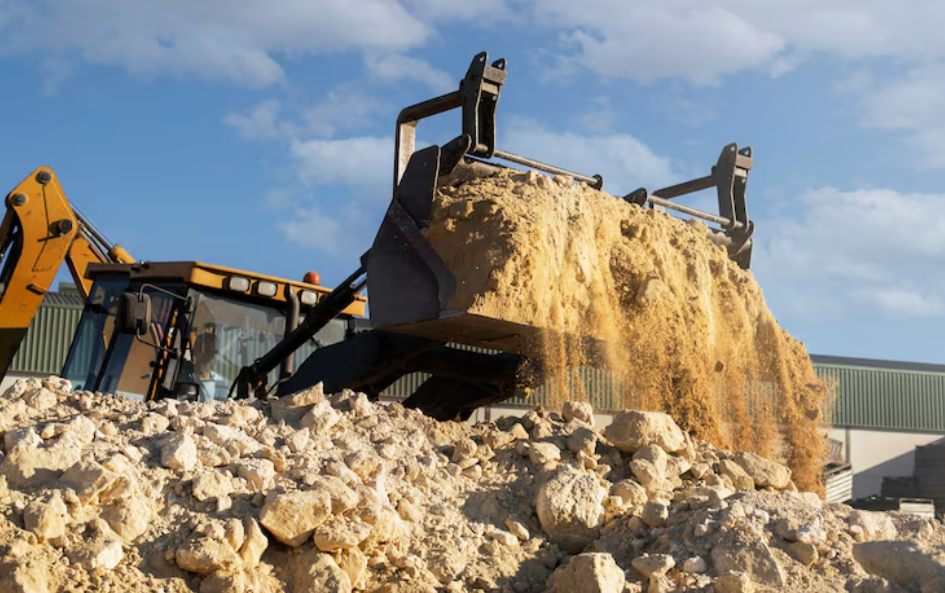
A reliable construction aggregate provides an important foundation for many building projects. Materials such as gravel, crushed stone, and sand are commonly used in concrete, asphalt, foundations, and drainage systems. They help provide stability, strength, and proper load distribution. The size and type of aggregate should be selected according to the requirements of the project because different applications need different levels of strength, drainage, and durability.
Expanded Polystyrene Foam: Supporting Lightweight Construction
Expanded polystyrene foam is a lightweight material that can provide useful insulation and support in modern construction. It is often used for insulation, foundation systems, wall applications, and other building components. Its low weight can make transportation and installation easier, while its thermal insulation properties can help reduce unwanted heat transfer. When properly selected and installed, it can contribute to a more comfortable and energy-efficient building.
Concrete: Creating a Strong Structural Base
Concrete remains one of the most widely used materials for durable construction. It can be used for foundations, floors, walls, columns, driveways, and other structural elements. Its ability to withstand heavy loads makes it suitable for both residential and commercial projects. The quality of the concrete depends on proper mixing, placement, curing, and the selection of suitable ingredients. Good construction practices can help reduce cracking and improve its service life.
Steel: Adding Strength and Flexibility
Steel is another important material for structures that require high strength. It is commonly used for beams, columns, reinforcement, frames, and roofing systems. Steel can support significant loads while allowing architects to create different structural designs. It can also be combined with concrete to create reinforced structures that benefit from the properties of both materials. Proper protection against corrosion is important, particularly in environments exposed to moisture.
Bricks and Masonry: Building Durable Walls
Bricks and masonry materials have been used in construction for centuries because they offer strength and durability. They can be used for exterior walls, partitions, facades, and other parts of a building. Masonry can also provide useful resistance to fire and weather when correctly installed. Choosing quality units and using suitable mortar can help create walls that remain stable and attractive for many years.
Insulation Materials: Improving Building Performance
Insulation plays an important role in making buildings more efficient and comfortable. Materials such as mineral wool, fiberglass, rigid foam, and other insulation products can help control indoor temperatures by slowing heat transfer. Proper insulation can also reduce the workload on heating and cooling systems. Selecting insulation according to the building’s location, design, and moisture conditions can improve both comfort and long-term performance.
Sustainable Materials: Supporting Long-Term Construction
Many modern projects also consider materials that can reduce environmental impact without sacrificing performance. Recycled steel, reclaimed wood, recycled aggregates, and other responsibly sourced products can be used in suitable applications. Sustainable material choices can help reduce waste and conserve resources. However, durability, safety, local conditions, and project requirements should remain important factors when selecting these materials.
Conclusion
Strong and durable buildings depend on more than one material. Construction aggregate, expanded polystyrene foam, concrete, steel, masonry, insulation, and sustainable products can each serve different purposes within a well-designed structure. By choosing materials based on strength, durability, climate, function, and installation requirements, construction projects can achieve better long-term performance and create buildings that remain reliable for years.