
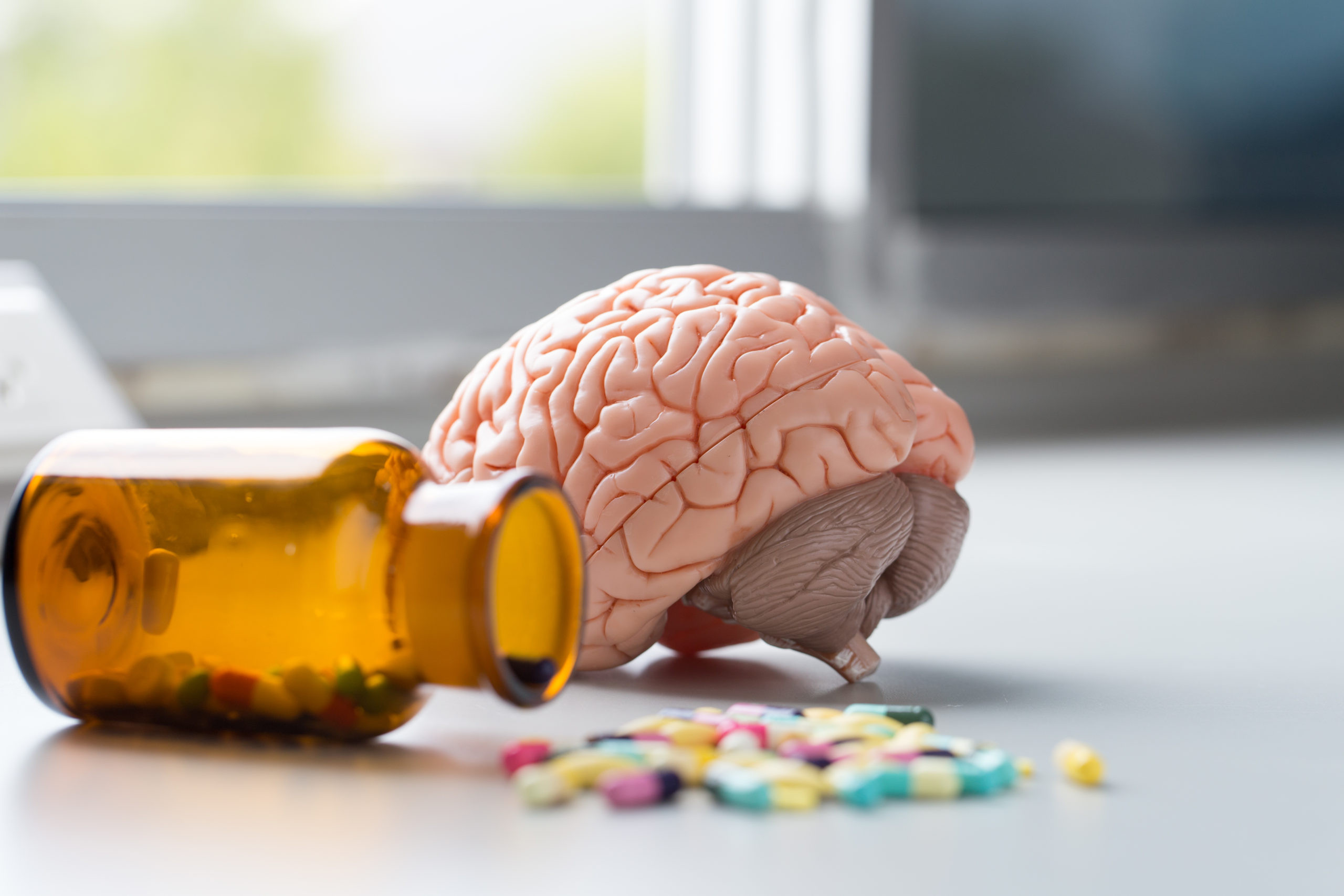
When a person is living with both addiction and a mental health condition, treating only half of the problem rarely works for long. Anxiety can drive drinking. Depression can deepen opioid misuse. Trauma can sit underneath both. Integrated dual-diagnosis care is built around that reality, treating substance use and mental health together instead of sending people down separate tracks that may never fully connect.
This approach has become a central standard in modern behavioral healthcare because co-occurring conditions are common, and they tend to reinforce each other. The goal is not just symptom control. It is helping a person understand how these issues interact, then building a treatment plan that addresses the full picture.
What integrated dual-diagnosis care actually means
Dual diagnosis, also called co-occurring disorders, refers to the presence of a substance use disorder alongside a mental health condition such as depression, anxiety, bipolar disorder, PTSD, or another psychiatric illness. According to the Substance Abuse and Mental Health Services Administration, effective care for co-occurring disorders usually involves integrated treatment, meaning both conditions are addressed at the same time by the same team or through closely coordinated care.
That sounds simple, but it marks a major shift from older models. In fragmented systems, a person might be told to get sober before addressing trauma, or stabilize mental health before entering addiction treatment. In real life, those conditions are often too intertwined for that sequence to hold.
Why treating both conditions together works better
Substance use can worsen psychiatric symptoms, and psychiatric symptoms can increase the urge to use substances. A person with panic disorder may drink to blunt fear. A person with untreated depression may misuse stimulants to feel functional. Once that cycle takes hold, each condition can make the other harder to recognize and harder to treat.
The National Institute on Drug Abuse notes that substance use disorders and other mental illnesses frequently occur together, and that integrated treatment is often needed for better outcomes. This matters clinically because separate treatment plans can produce mixed messages. One provider may focus on abstinence, another on mood stabilization, while neither fully addresses how cravings, sleep disruption, trauma triggers, and medication needs overlap.
Integrated care reduces that gap. It creates one clinical framework, one shared treatment plan, and a clearer understanding of what is driving distress from day to day.
What treatment looks like in practice
Assessment starts with the whole person
Good dual-diagnosis treatment begins with a careful assessment, not assumptions. Clinicians look at substance use patterns, mental health symptoms, trauma history, medical needs, family context, and risk factors such as self-harm or relapse. This is especially important because intoxication, withdrawal, and psychiatric symptoms can look similar at first.
Therapy is coordinated, not split apart
In an integrated model, therapy addresses both substance use and mental health symptoms in the same course of care. That may include cognitive behavioral therapy, trauma-informed therapy, relapse prevention, psychiatric support, and skills work for emotional regulation. The Centers for Disease Control and Prevention emphasizes that mental health affects how people handle stress, relate to others, and make healthy choices, all of which are directly relevant in addiction recovery.
At some programs, this coordination is especially intensive. Seasons in Malibu, for example, is known for pairing addiction treatment with mental health care and offering a high volume of one-on-one therapy with doctorate-level clinicians. That kind of structure reflects what many people with co-occurring disorders need: depth, consistency, and clinical attention that does not force them to separate one struggle from the other.
Medication management may play a role
For some people, psychiatric medication can help stabilize symptoms enough to make therapy and recovery work more effective. Medication for substance use disorders may also be part of care when clinically appropriate. The point is not to medicate every symptom. It is to evaluate whether treatment is missing an important tool.
How to recognize a truly integrated program
Not every program that mentions dual diagnosis provides the same level of care. Some offer only limited psychiatric support. Others fully integrate addiction counseling, psychiatric evaluation, medication management, and trauma-informed therapy under one roof.
When comparing options, readers often look at california rehab centers or search for a mental health rehabilitation center that also understands addiction. The key question is whether the program can treat both conditions as primary concerns, not whether one is treated while the other is treated as secondary background.
- Licensed mental health and addiction treatment services
- Psychiatric assessment and ongoing medication review
- Therapists trained in trauma, mood disorders, and substance use
- A treatment plan shared across disciplines
- Aftercare planning that addresses relapse risk and mental health stability
Why aftercare matters just as much
Co-occurring disorders do not disappear when residential or outpatient treatment ends. Recovery often depends on what happens next: therapy continuity, medication follow-up, support groups, case management, and a plan for early warning signs. A person may be sober but still vulnerable if insomnia returns, trauma symptoms flare, or depression quietly worsens.
That is why integrated dual-diagnosis care should extend beyond the initial treatment setting. The strongest programs prepare people for what real life will ask of them, not just what happens inside treatment. When addiction and mental health are treated together from the start, people have a better chance of building recovery on something solid, stable, and honest enough to last.