
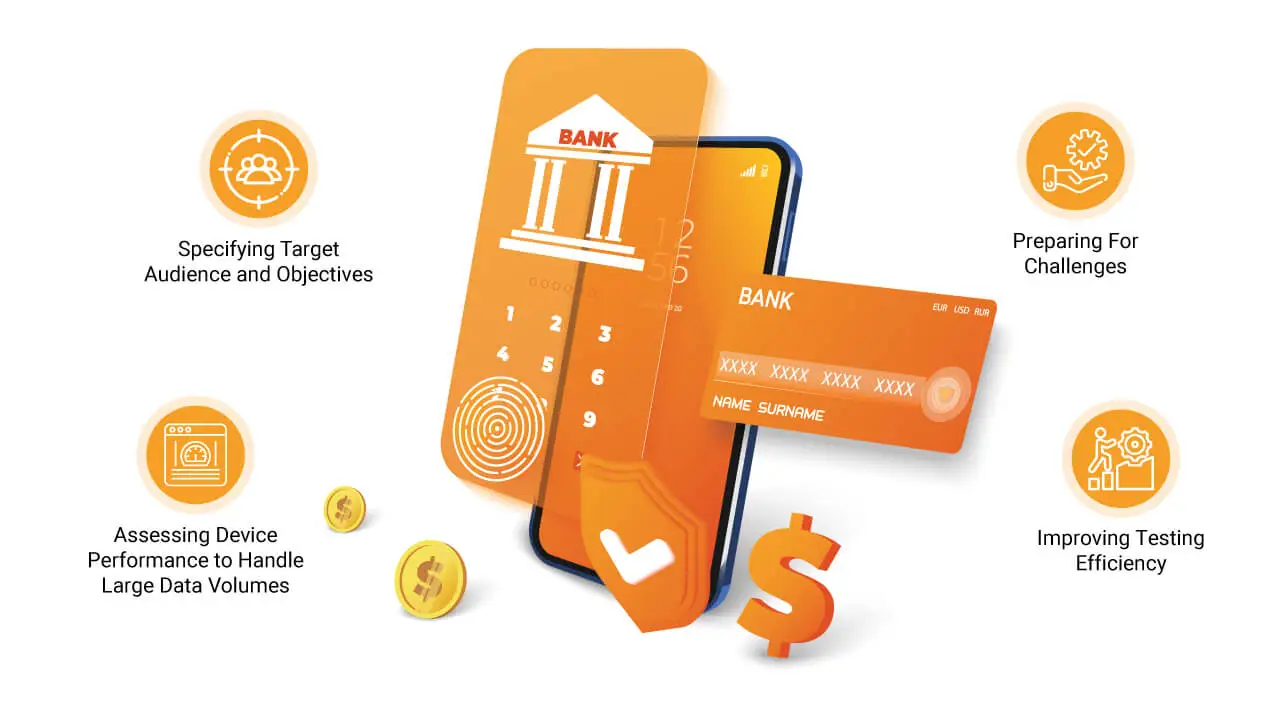
Retail banking apps are changing fast. Customers want faster, safer, and smarter digital banking experiences. But testing these apps the old way doesn’t work anymore. The problem is clear: traditional testing can’t keep up with the speed of change in mobile banking. Bugs, delays, and poor performance can cost a bank its customers and reputation.
The solution is smart and fast testing powered by artificial intelligence (AI) and automation to test better and cheaper. This is also known as AI-powered retail bank app testing. It helps banks deliver better apps that are safe and easy to use.
This blog explains how this works. You will discover how AI and automation make a big difference in testing. You’ll also explore new tools, smart frameworks, and strategies banks use in 2025.
AI-powered quality engineering for retail bank app testing
In 2025, quality engineering is not just about finding bugs. It’s about improving the whole software experience. AI is at the heart of this. It helps testers find issues faster, test smarter, and deliver better banking apps. This is important for retail bank app testing, where speed, security, and performance are critical.
It uses data and machine learning to check how apps perform, learn from patterns, and spot problems early. In the banking industry, where every second counts, this makes a huge impact.
AI also helps test the AI models inside banking apps. For example, it checks if an AI-based chatbot gives the right answers. This makes sure banks offer reliable services to users.
Key features of AI-powered quality engineering
- Smarter test creation: AI can read requirements or user stories and build tests automatically.
- Better bug detection: AI identifies patterns in data that humans might miss.
- Faster cycles: Automated learning speeds up repetitive tasks.
- Risk-based testing: Focus on what matters most—cut down on unnecessary test cases.
- Improved test accuracy: Less manual work means fewer errors.
Test automation frameworks in retail software testing
A test automation framework is a set of tools and practices to run automated tests. In 2025, these frameworks will be smarter, more flexible, and built using popular languages like Java and C#.
Retail software testing uses automation frameworks to speed up testing across platforms. These frameworks help testers focus on quality, not just writing test scripts. With automation, teams test more in less time.
Benefits of modern test automation frameworks
- Reusable test scripts: Write once and run many times across platforms.
- Faster releases: Reduce time spent on repeated tasks.
- Cross-platform support: Test mobile apps, APIs, and web portals with one toolset.
- Better coverage: Handle complex user journeys and edge cases.
- Scalability: Easily add new test cases as features grow.
AI-driven QA assessment for retail application testing
AI-driven QA makes software testing smarter and faster. In 2025, QA teams use AI to assess how good the app is and what needs improvement. For retail application testing, this means fewer bugs, faster fixes, and better performance.
AI helps teams choose the right test cases. It looks at past data to suggest which tests matter most. Banks use this to test apps without missing key risks. It also helps find the root cause of a bug quickly.
Key features of AI-driven QA assessment
- Risk-based focus: AI ranks test cases by impact, not just functionality.
- Faster decision-making: Real-time data insights help QA teams respond quickly.
- Fewer test cases, same quality: Cut waste, keep results.
- Improved TCOE velocity: Speed up total testing cycles.
- Continuous improvement: Learn from each release and get smarter over time.
AI-driven quality engineering accelerators in retail bank app testing
Accelerators are tools that make testing faster and better. AI-driven quality engineering accelerators help banks fix problems early, speed up testing, and improve the quality of their apps. In retail bank app testing, they make a huge difference.
These tools use data and predictive models to generate test scripts, check performance, and create reports. They work directly from user stories or requirements. This saves time and ensures all features are tested. With tools like Qualisense, banks can test faster and with more confidence. This leads to better customer experiences and safer apps.
Why AI-driven accelerators are useful
- Quick script generation: Auto-generate tests from user stories or workflows.
- Smarter prioritization: Focus on areas with the highest risk or impact.
- Reduced time to market: Shorter testing cycles mean faster releases.
- Improved collaboration: Developers and testers can align more easily.
- Better defect prediction: AI predicts where bugs will show up next.
Focus on innovation in retail software testing
Innovation drives success in banking. In 2025, retail software testing needs to keep up with new technologies. Banks must invest in research and development to stay ahead. They must explore AI, cloud, and Internet of Things (IoT) testing to create modern apps.
Innovation is more than just tools. It means trying new ways to test smarter and faster. Teams that innovate create better apps, reduce costs and serve customers better. Continuous learning and trying new tech are key. Banks also use innovation to meet new rules and customer needs.
How innovation shapes retail application testing
- Cloud testing environments: Run tests at scale and on demand.
- IoT integration: Test connected devices and wearables tied to banking.
- Continuous R&D: Stay current with AI trends and tools.
- New testing models: Use microservices and containerized environments.
- Customer-first mindset: Build smarter, user-friendly apps based on real behavior
Enhanced test strategies in retail application testing
In retail application testing, strong strategies help save time and money. They make sure nothing important is missed and improve team efficiency.
Enhanced strategies include smart planning, faster test cycles, and automation. Teams focus on reducing test time and costs without losing quality. They use AI to plan test cycles and track progress.
Smart testing strategies in retail software testing:
- Proactive planning: Allocate testers based on release schedules.
- Regression automation: Automate repetitive tests across updates.
- Service virtualization: Simulate third-party systems for complete coverage.
- Modular testing: Break down tests into small, reusable parts.
- Analytics-driven QA: Use dashboards to monitor quality in real time.
Final thoughts
The future of retail bank app testing is smarter, faster, and more cost-effective. With AI and automation leading the way, banks can improve app quality, cut testing time, and deliver better digital experiences.
From AI-driven QA assessments to advanced test automation frameworks, these trends aren’t just nice-to-have—they’re must-haves for modern banks. Investing in tools like Qualisense, Qualiframe, and risk-based testing brings real, measurable results.
If you’re a bank looking to improve retail software testing or retail application testing, it’s time to act. Don’t wait for problems to happen.
Contact Qualitest today to see how our testing experts can help you transform your retail application testing process in 2025 and beyond.