
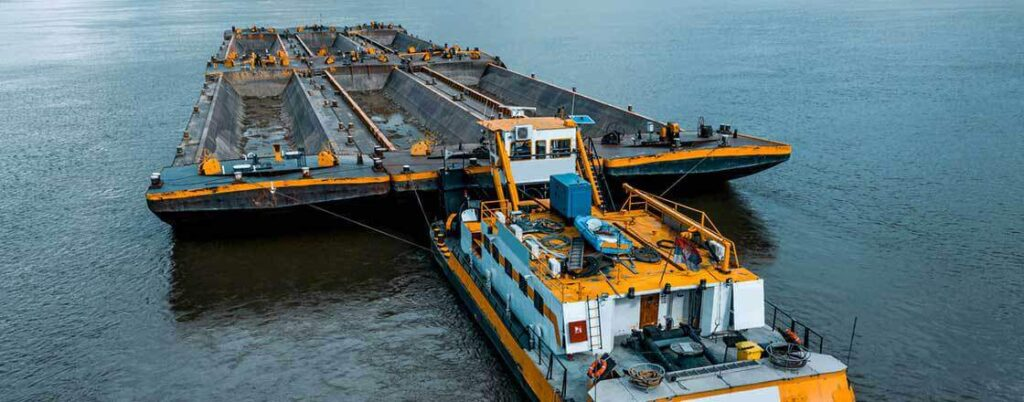
Barge transloading equipment plays an important role in the transport and logistics industry. It helps move goods between different types of transportation, such as from trucks or trains to barges. This process allows companies to move large quantities of materials efficiently and safely over long distances using waterways.
As global trade continues to grow, more industries are realizing the importance of this equipment for smooth and cost-effective operations. Using modern barge transloading systems can improve productivity, reduce costs, and support environmentally friendly shipping practices.
Increased Efficiency and Productivity
One of the biggest advantages of barge transloading equipment is that it improves the overall speed and efficiency of material handling. Traditional methods often require manual labor and take longer to move large quantities of products.
However, advanced transloading systems use automated conveyors, cranes, and loaders that handle materials quickly and accurately. This automation reduces loading and unloading times, allowing companies to move more cargo in less time. As a result, shipping schedules become more reliable, and supply chains run more smoothly.
Cost Savings for Businesses
Another major benefit is cost savings. Barges can carry much larger volumes than trucks or trains, meaning fewer trips are needed to move the same amount of material. This reduces fuel costs and lowers overall transportation expenses.
The ability to transfer products directly between barges and other transport modes also minimizes storage and handling costs. Over time, these savings make barge transloading a smart financial choice for companies involved in large-scale shipping, construction, agriculture, and energy industries.
Environmental Advantages
Barge transloading equipment also supports environmentally friendly operations. Barges use less fuel per ton of cargo compared to trucks and trains, which helps reduce greenhouse gas emissions. By improving loading and unloading efficiency, transloading systems cut idle time and energy waste.
Many modern transloading facilities now use electric-powered equipment to further decrease pollution and noise. This makes barge transportation an eco-friendly alternative that meets growing sustainability goals in the logistics sector.
Improved Safety and Reduced Risk
Safety is another key benefit of using barge transloading equipment. Manual cargo handling often increases the risk of accidents, spills, and injuries. Advanced transloading systems reduce these risks by automating much of the heavy lifting and material transfer process.
Equipment such as conveyor belts, automated cranes, and safety sensors help maintain stability and control during operations. This not only protects workers but also ensures that goods are transferred without damage, saving companies from costly losses.
Flexibility Across Industries
Barge transloading equipment is useful across many industries, including agriculture, construction, mining, and oil and gas. It can handle a wide range of materials such as grain, coal, cement, sand, and chemicals. This flexibility allows businesses to adapt to changing demands and manage seasonal fluctuations more effectively.
For example, agricultural companies can move grain from silos to barges during harvest season, while construction companies can transport heavy materials like cement or gravel when needed. The ability to handle different materials makes barge transloading equipment a versatile asset.
Conclusion
In conclusion, barge transloading equipment offers many benefits that make it a valuable part of modern transportation and logistics systems. It helps businesses save time and money, improves safety, and supports environmental sustainability. The flexibility of this equipment also allows it to serve various industries efficiently.
As global trade and infrastructure needs continue to grow, investing in reliable barge transloading systems will remain an important step for companies aiming to boost productivity and reduce their environmental footprint.